The way people find jobs online feels increasingly fragmented. Scattered across recommendation systems that surface opportunities differently for everyone depending on who they follow and what ecosystems they already move through.
A role appears in a LinkedIn post, gets picked up by a newsletter writer, moves through a Slack community, lands in a Discord server, gets reposted by a creator, then eventually settles into a formal application page hours or days later. By the time many people encounter the listing directly, entire communities have already been circulating it through smaller networks built around trust, proximity, and recurring participation.
The process resembles community discovery more than traditional recruiting infrastructure, and after sitting with that for a while I kept coming back to the same question: what would it look like to build more community around opportunity discovery instead of less? To share more intentionally, preserve context longer, and create systems where opportunities could continue circulating instead of disappearing the moment a feed refreshes.
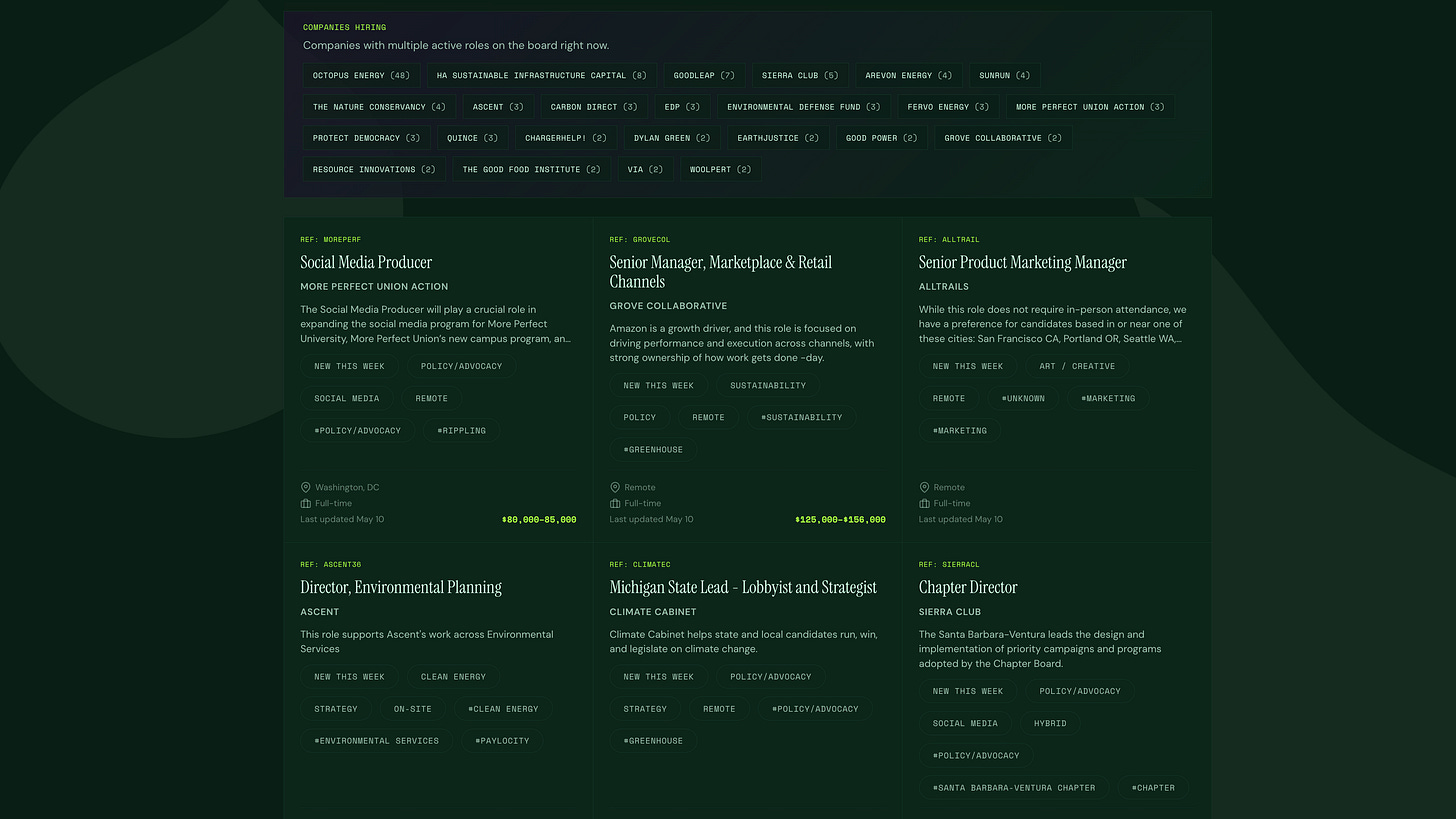
Before getting into the infrastructure side, I wanted to share a few opportunities currently circulating through the system this week.
01This Week’s Curated Jobs
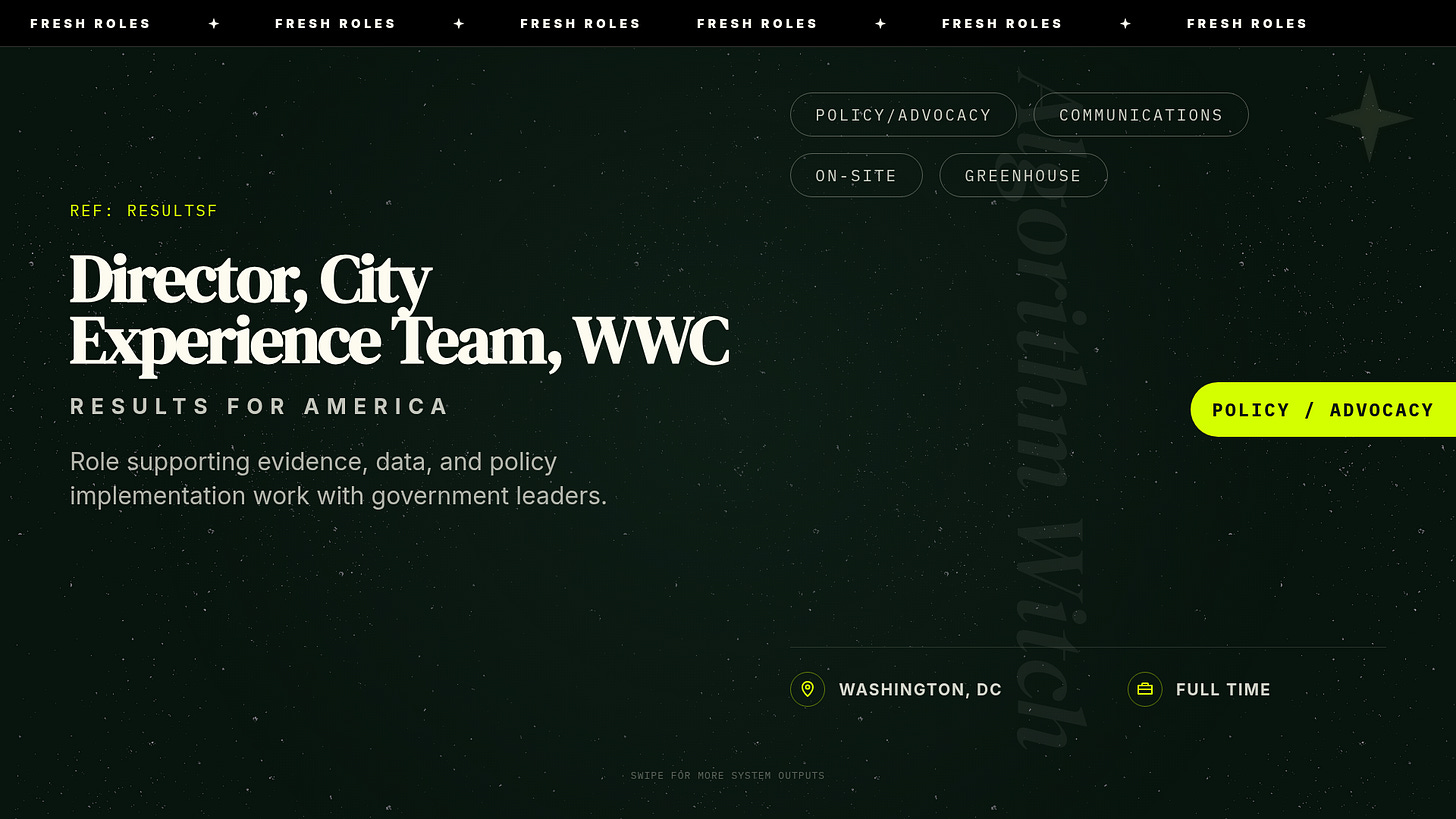
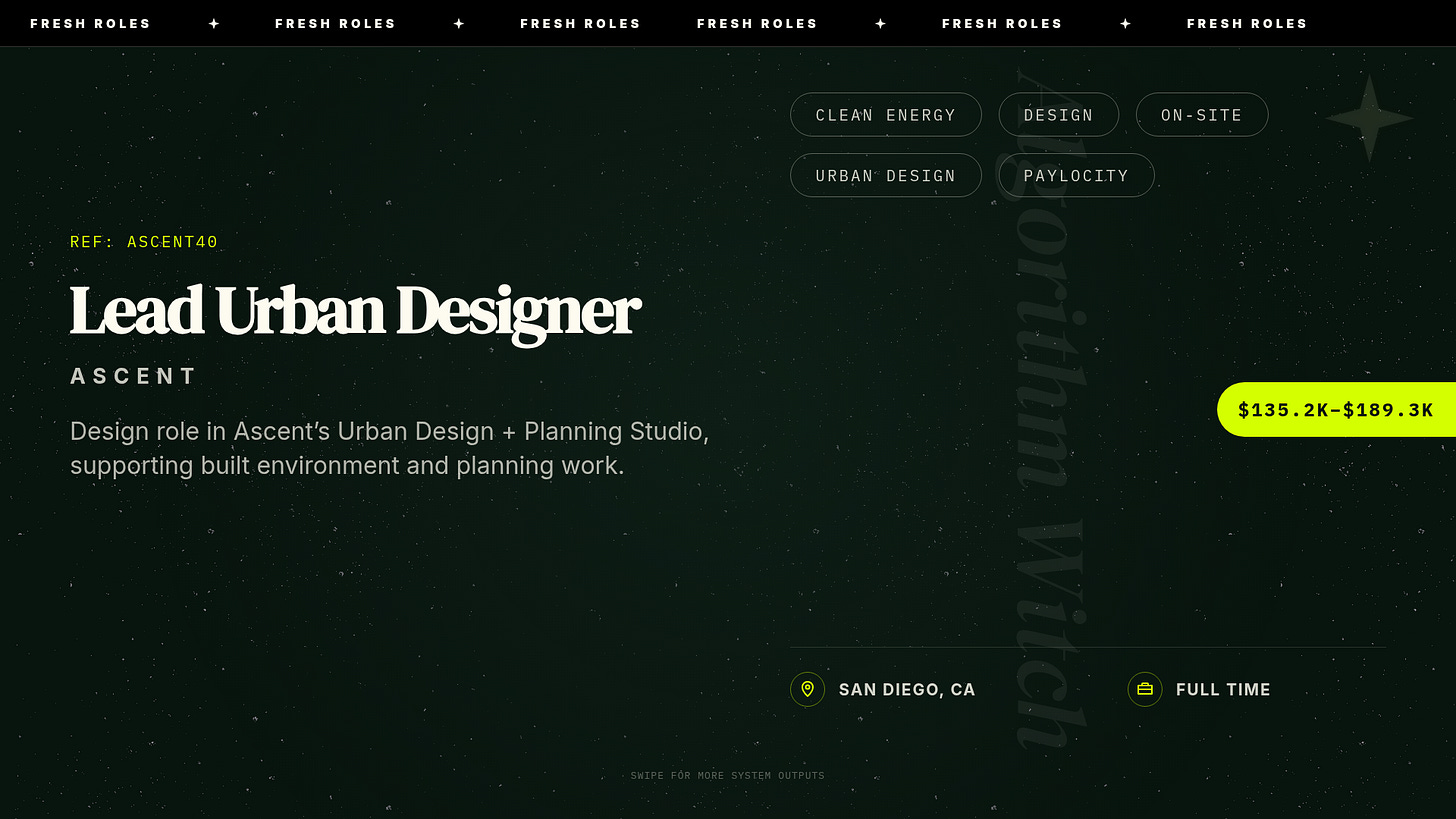
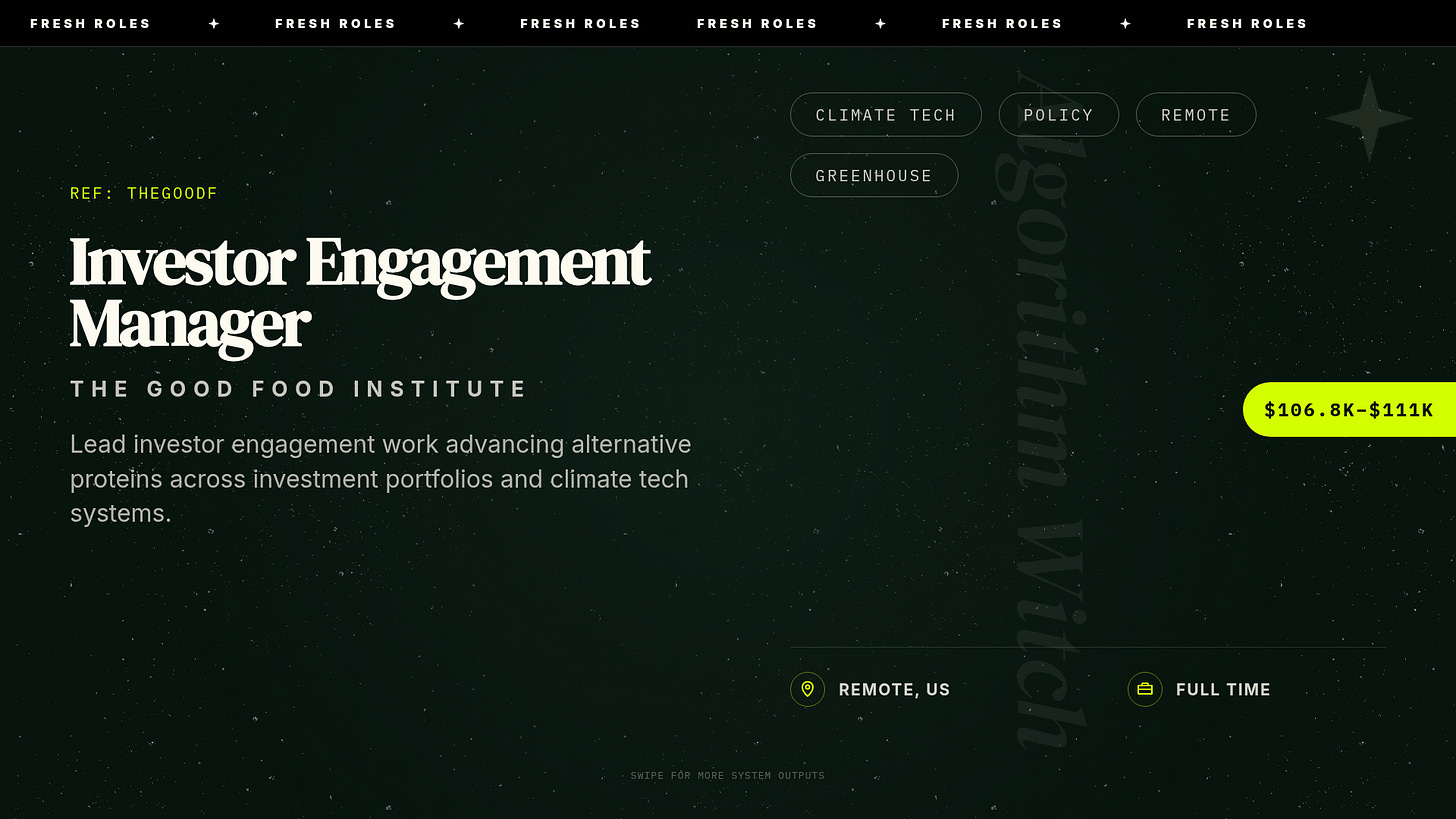
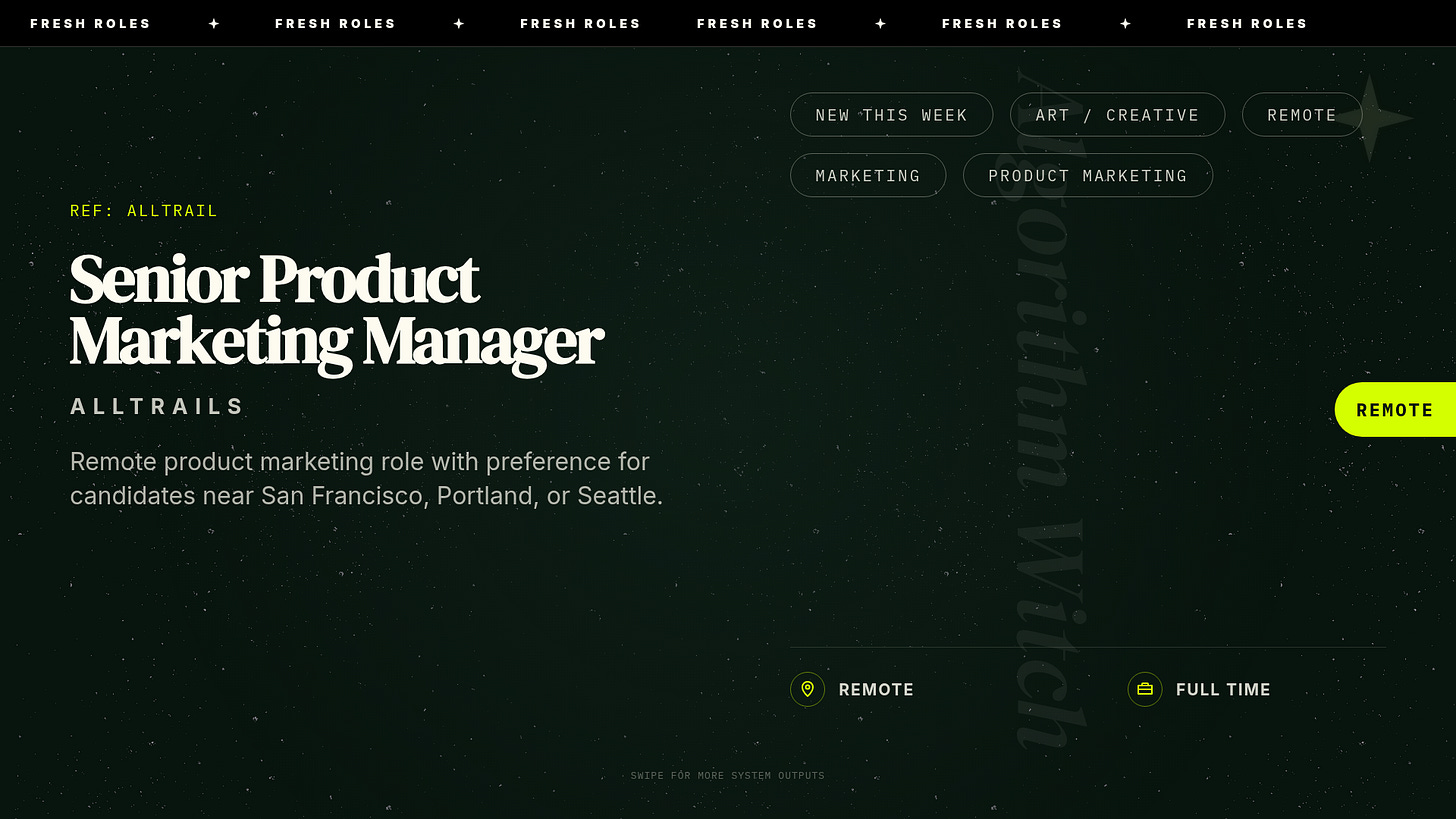
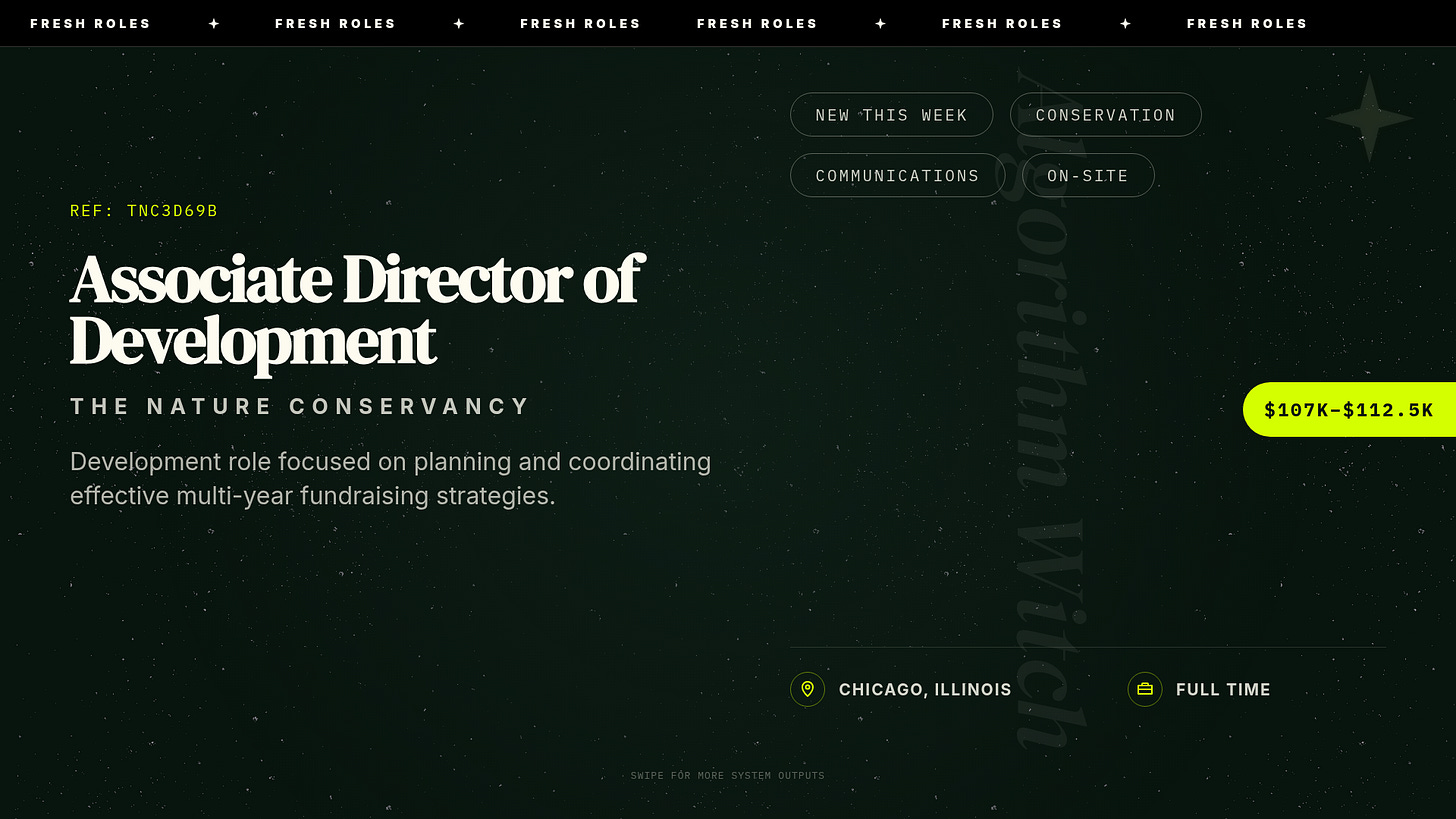
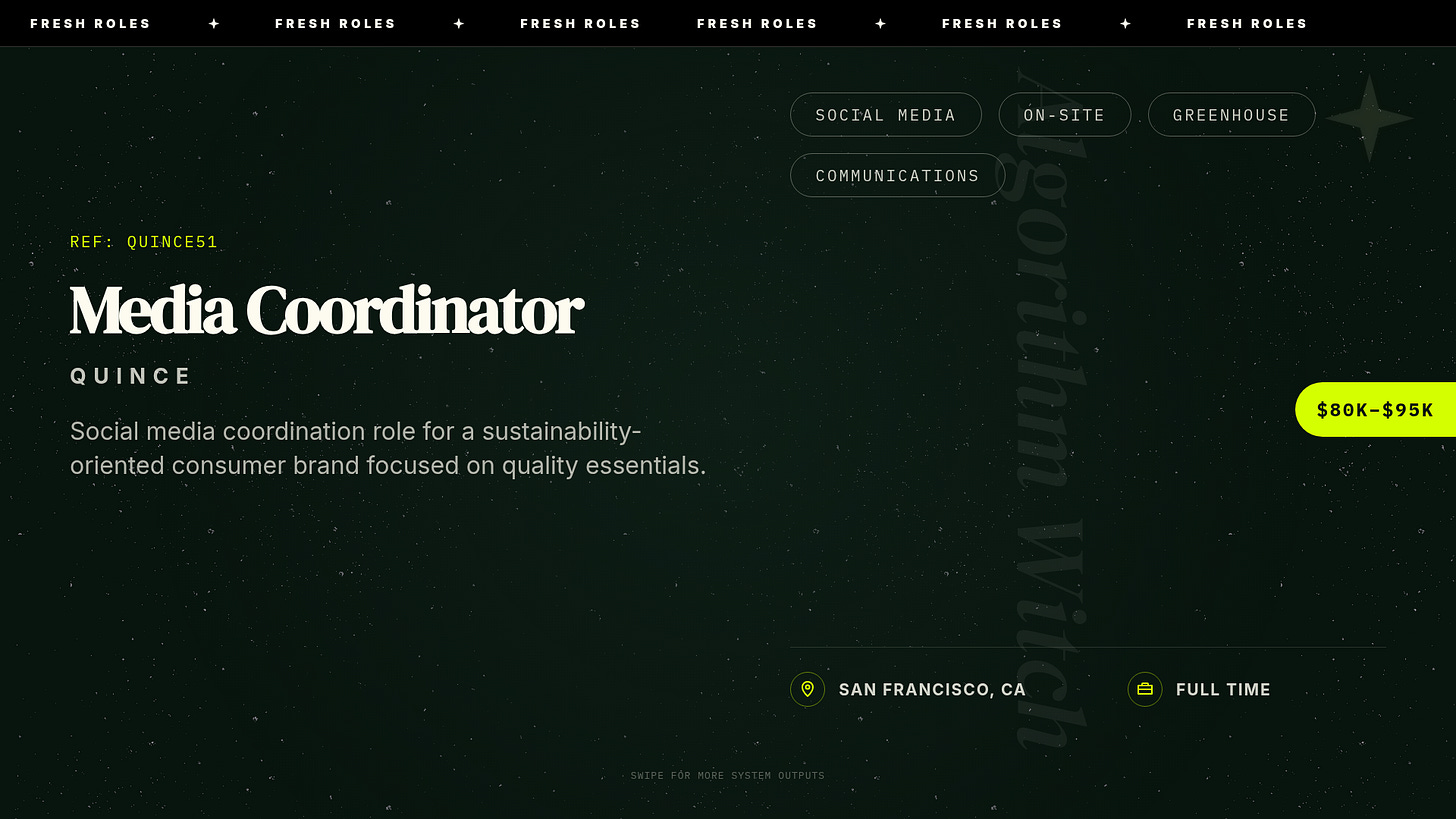
If there are specific companies, organizations, or sectors you want to see tracked on the board, leave them in the comments below. I’m continuously expanding the network and adding new career pages into the system.
02Community Curation Became Infrastructure
The internet now contains entire micro-networks of people whose primary value comes from surfacing opportunities consistently before they fully circulate through mainstream channels.
The reason this works connects to a larger platform shift happening across feeds. As AI-assisted publishing dramatically increases content supply, audiences rely more heavily on trusted curators to filter complexity and surface relevance. Trust increasingly accumulates around recognizable expertise, recurring language patterns, and consistent topical fluency.
“Job fairies” has gradually become the internet’s nickname for people who consistently surface opportunities, share hiring posts, repost openings across communities, and help roles travel further across professional networks.
A role gets posted by a hiring manager, picked up by a creator, shared through a newsletter, reposted into a Slack group, circulated through LinkedIn comments, then eventually lands in front of someone who never would have encountered the opportunity through a traditional search alone.
That ecosystem of recurring community sharing became one of the biggest inspirations behind this board, and I wanted to highlight a few job fairies whose recent posts I think are worth following lately.
03Job Fairies You Need to Follow
Arianna Flores Corral

Arianna consistently shares social impact communications opportunities, industry insights, and resources that make the communications job search feel much more navigable and connected. Her newsletter is well worth a read, follow her today!
Andrea Donatucci

Andrea regularly shares communications opportunities and helpful industry updates across LinkedIn. Definitely worth following if you want weekly comms job posts in your feed each week.
Eboni Hall

Eboni consistently shares climate and green job opportunities alongside broader conversations around sustainability and environmental work. Follow her for weekly updates across climate and sustainability spaces.
Natalie C.

Natalie shares remote renewable energy and sustainability opportunities, and attends and posts about a lot of climate and clean energy events happening across the industry. Give her a follow to get updates on remote roles in clean energy.
Jacob Yang

Jacob frequently posts new clean energy and climate opportunities. He’ s a great follow for more job updates flowing into your LinkedIn feed.
Nick Martin

Nick consistently shares philanthropy and mission-driven opportunities across nonprofit and impact-oriented spaces. Follow him for regular updates and job sharing in the sector.
Laura Hughston

Laura regularly posts impact-focused opportunities and mission-driven roles across her network. Definitely worth following for more recurring job updates and community sharing.
Justin Daugherty

Justin frequently shares clean energy, climate, and sustainability opportunities across his network. Follow him if you want more recurring climate roles in your feed.
I’d definitely recommend following all of them if you’re looking for more community-driven opportunity discovery across climate, communications, nonprofits, policy, philanthropy, and adjacent mission-driven spaces.
04How I Find Fresh Roles
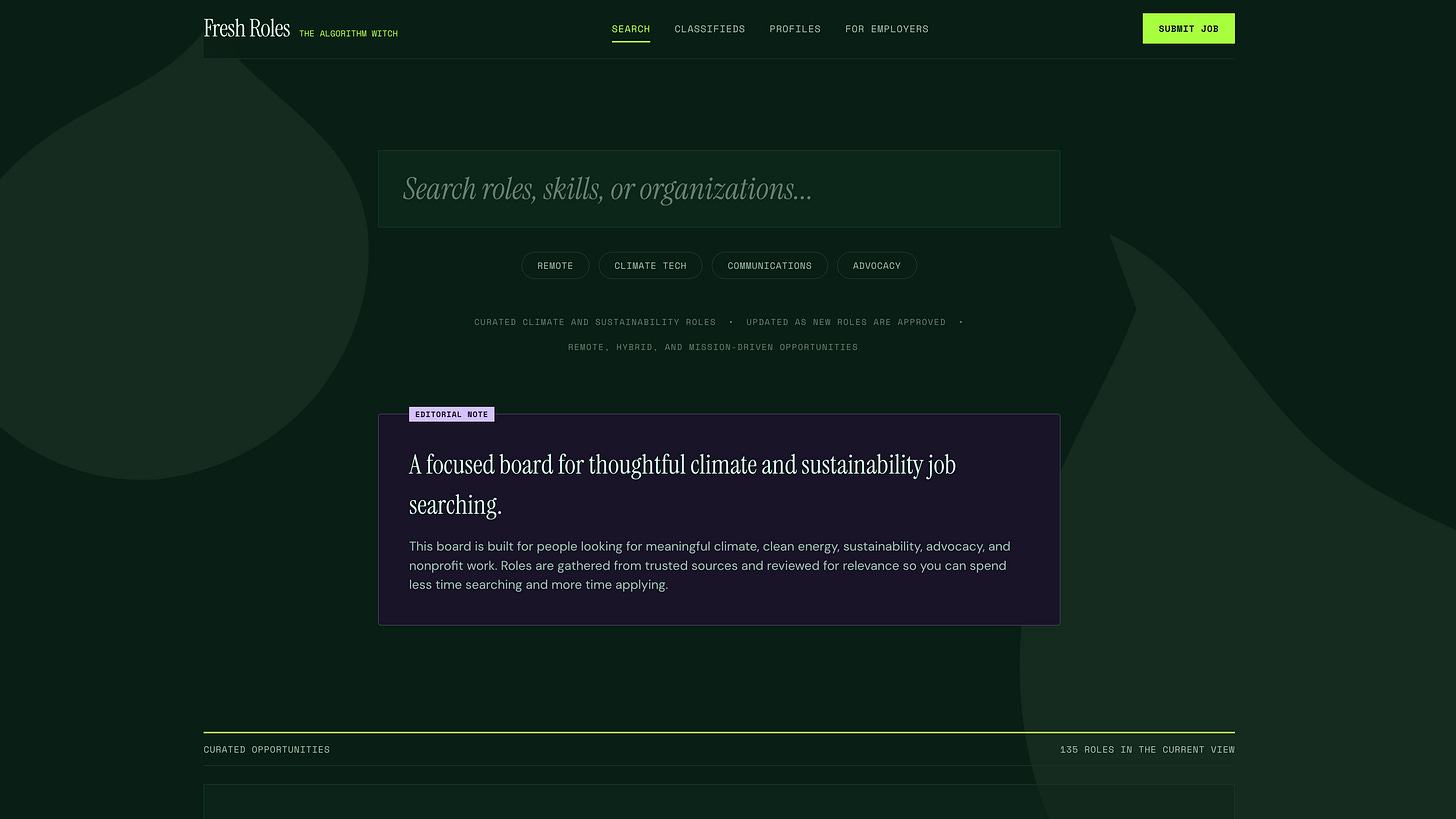
I started sharing job opportunities on LinkedIn after being laid off in December 2025, and over time those posts gradually expanded into a larger curation and discovery system built around helping opportunities travel further across communities. The board pulls from hiring systems like Greenhouse, Lever, Ashby, BambooHR, Workable, Recruitee, and custom career page tracking so roles can surface quickly and continue circulating beyond a single post or platform.
Building the system revealed how fragmented hiring infrastructure actually is beneath the surface. Raw listings regularly contain duplicated organizations, broken salary formatting, corrupted metadata, stale pages, malformed snippets, inconsistent location structures, and parser conflicts. A large portion of the project became less about collecting jobs and more about creating a cleaner, more connected discovery layer people could actually navigate consistently.
05Why I Built Fresh Roles
One of the biggest goals behind the board was reducing the distance between opportunities and the people who should actually see them, especially as more job discovery started happening through communities, reposts, newsletters, and recommendation systems.
06Live Career Page Tracking
I pulled from my existing inventory of organizations and opened up employer registration to flow career pages directly into the system so roles can be tracked continuously instead of waiting to be manually reposted after they begin circulating elsewhere. The goal is to find opportunities as close to their original publication moment as possible while continuing to track new openings from organizations already inside the network over time.
07Preserve the Discovery Context
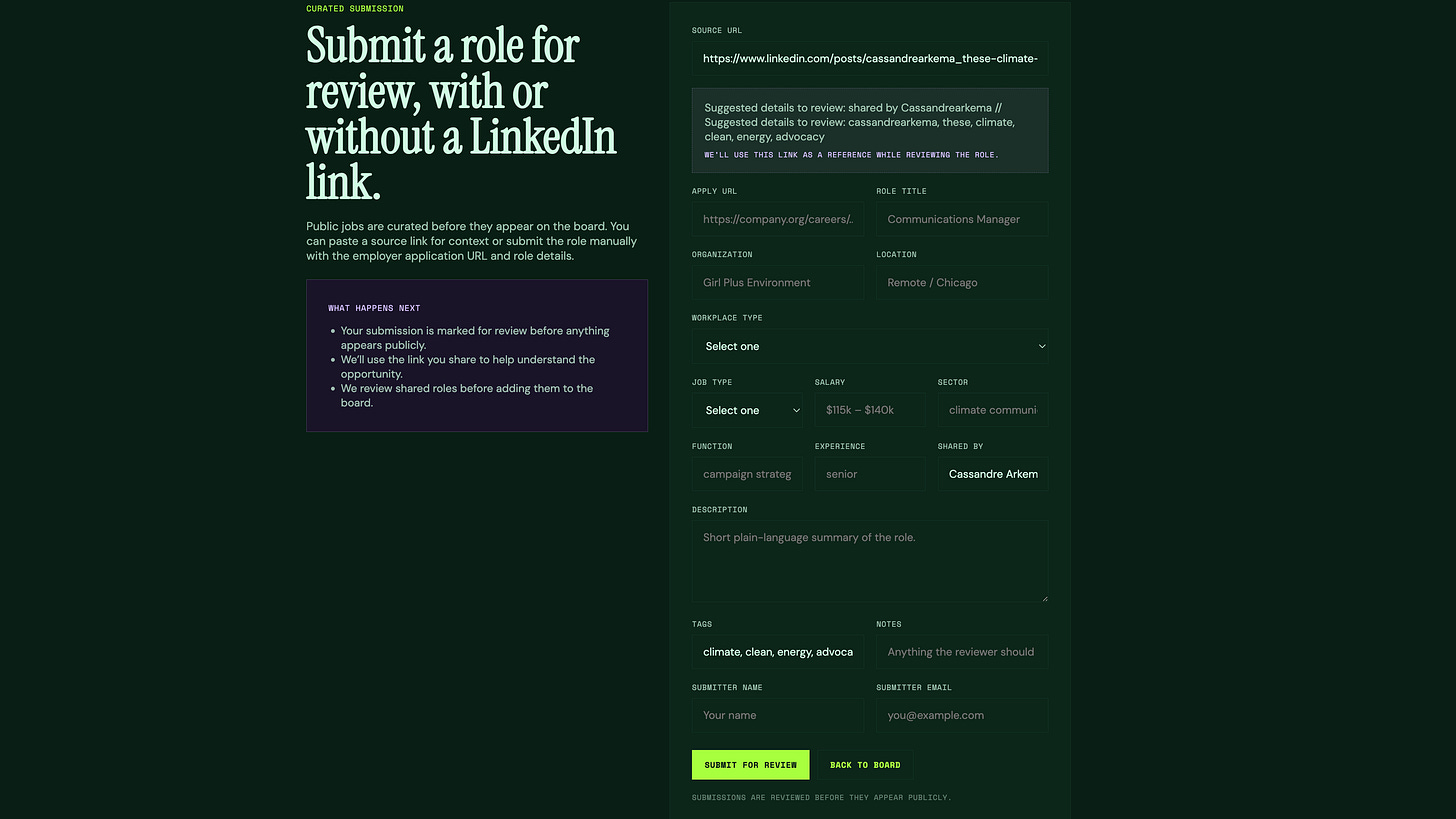
One of my favorite features is the ability to attach LinkedIn hiring posts directly to job listings so the surrounding conversation stays connected to the role itself. People increasingly discover opportunities through community sharing, reposts, and recommendations, and I wanted to preserve the context around how a role was discovered, who shared it, and why it resonated with certain communities.
08Public Talent Profiles
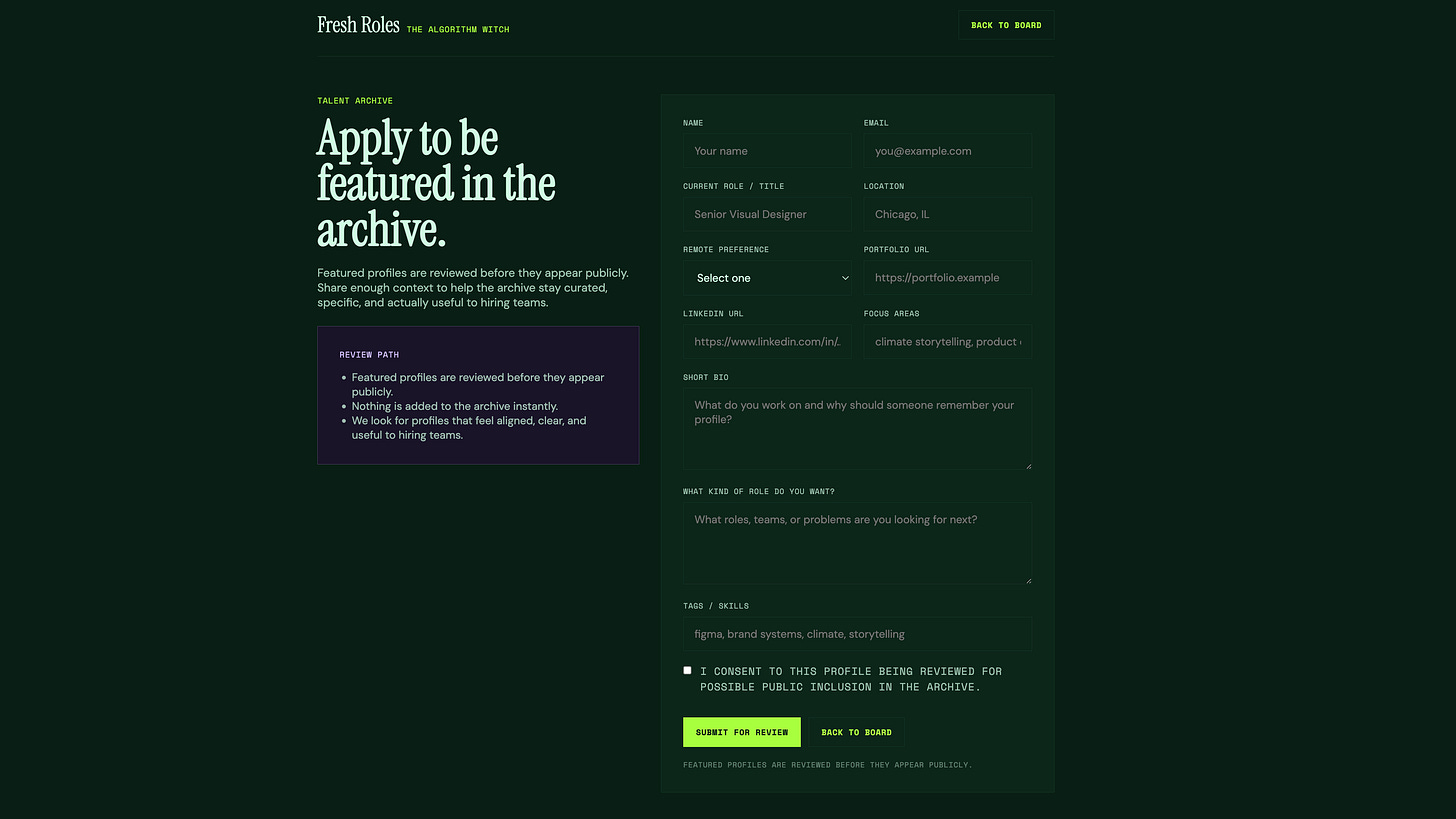
People can also apply for public talent profiles inside the system so organizations can discover mission-driven professionals already participating in climate, sustainability, advocacy, communications, policy, clean energy, and adjacent ecosystems. The goal is creating more visibility for people alongside opportunities instead of treating hiring like a one-directional pipeline.
09Community Admins
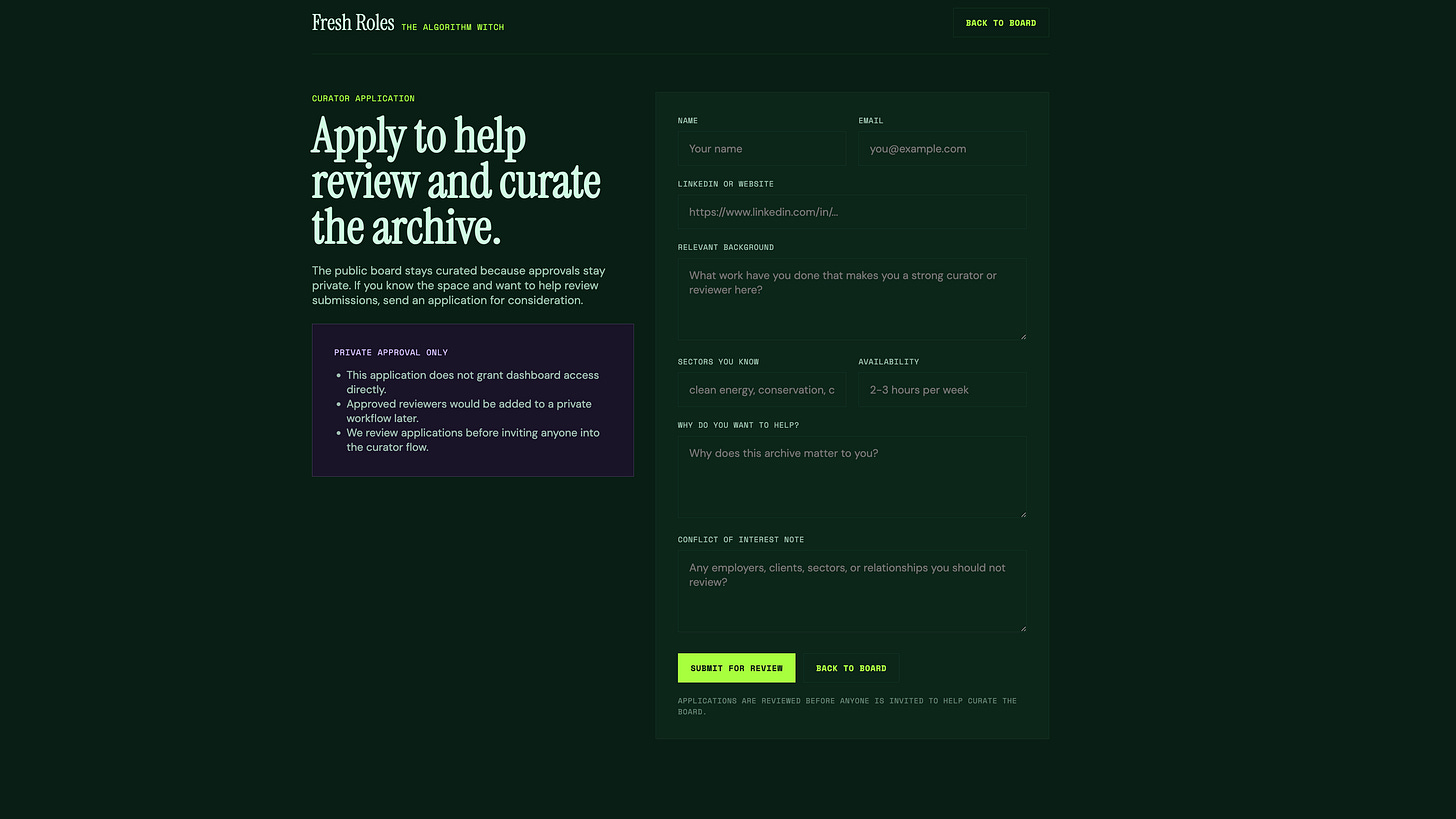
I’m also expanding community admins and curators over time because different people sit inside different professional ecosystems and surface different kinds of opportunities. Someone embedded in climate communications will encounter different roles than someone working in policy, philanthropy, journalism, labor organizing, or clean energy infrastructure, and the system becomes stronger as more communities help shape the discovery layer collaboratively.
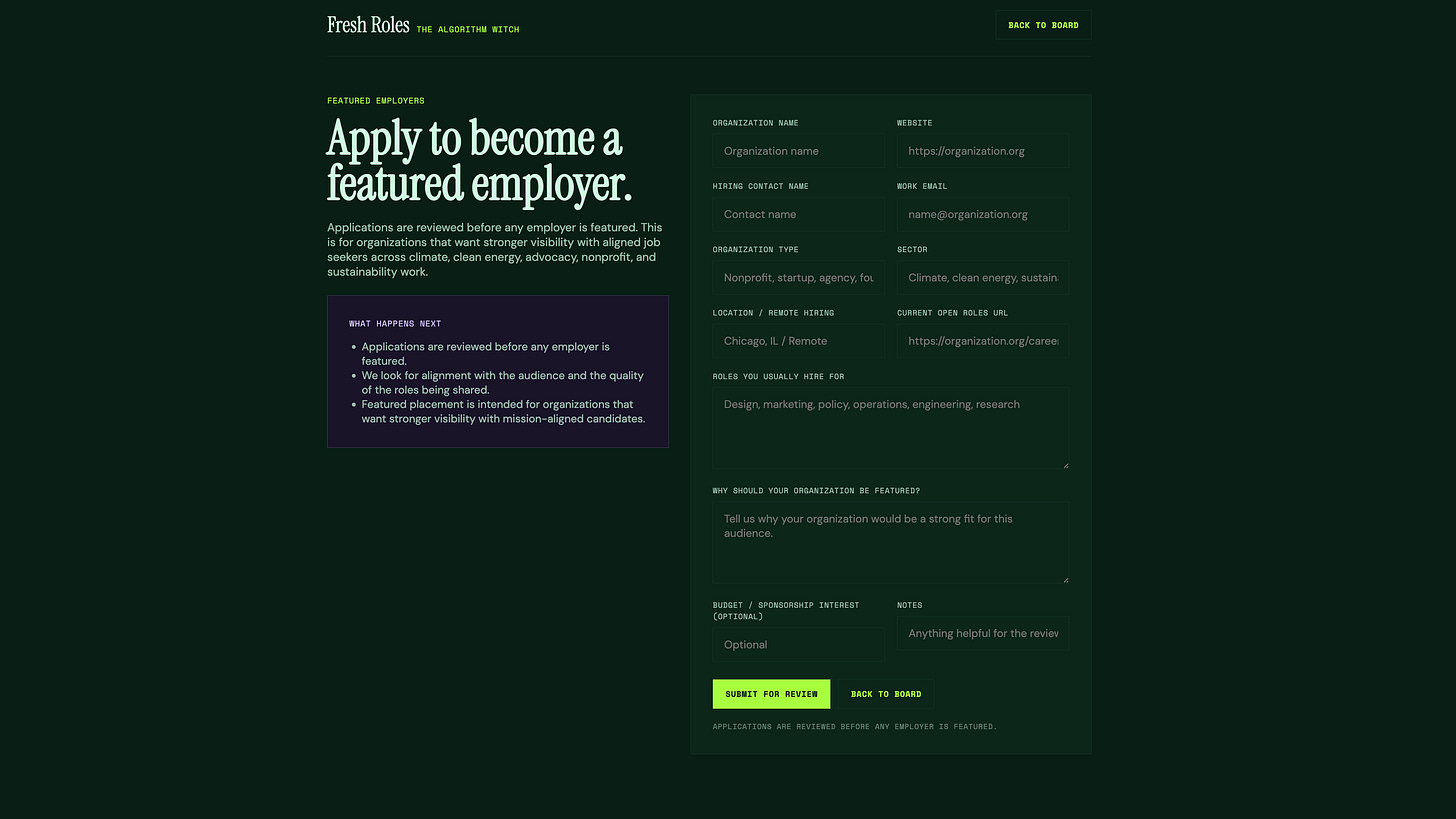
10Employers + Organizations
Organizations can also register directly with the board to increase visibility for mission-driven opportunities and reduce repost lag across platforms. Instead of existing only inside a single feed cycle, opportunities can continue circulating through newsletters, archives, social sharing, and community curation over time.
11Curating Your LinkedIn Algorithm to See More Jobs
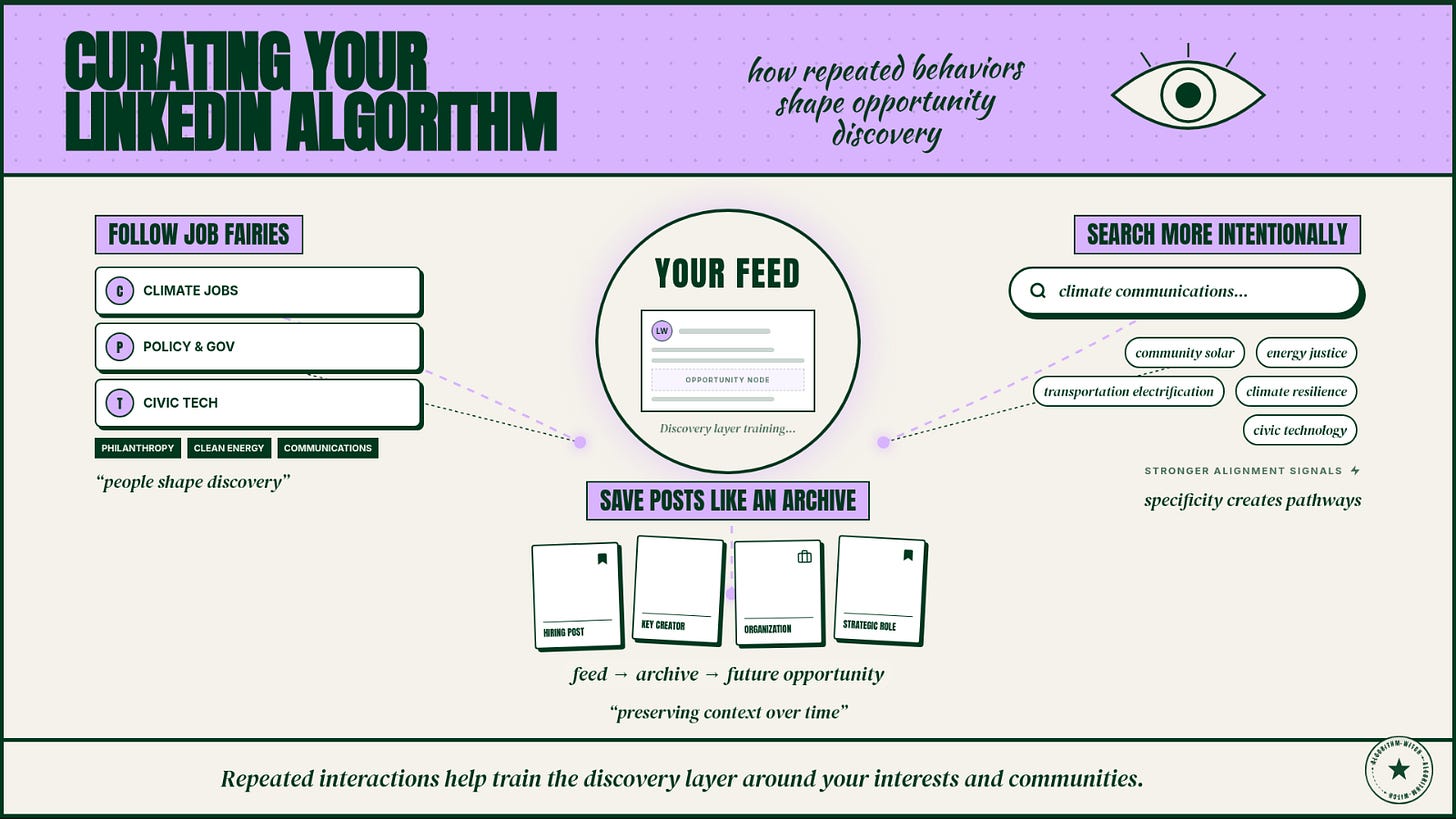
LinkedIn surfaces opportunities based on what you engage with, who you follow, what industries you search for, and which professional ecosystems you repeatedly return to over time. The feed gradually learns what kinds of roles, organizations, and conversations feel relevant to you, which means job discovery becomes partially shaped by how intentionally you curate your network and activity.
12Follow Job Fairies
One of the easiest ways to start seeing more opportunities is following people who consistently share them. The job fairies above regularly repost openings, hiring announcements, newsletters, and community resources across climate, communications, nonprofits, policy, philanthropy, civic tech, clean energy, and adjacent mission-driven spaces. Over time LinkedIn starts recognizing those overlapping networks and surfaces more related opportunities into your feed.
13Use Search More Intentionally
Searching only broad titles like “marketing manager” or “project coordinator” often produces extremely crowded results with weak topical relevance. More specific searches help both you and the platform identify stronger alignment signals around industries, infrastructure, and mission areas.
A few examples:
climate communications
clean energy policy
community solar
transportation electrification
sustainability reporting
climate resilience
civic technology
energy justice
Location matters too. Regional activity and local professional ecosystems increasingly shape what opportunities surface repeatedly across feeds and recommendations.
14Save Posts Like an Archive
One of the most underrated LinkedIn features is saving posts directly from the feed. Hiring managers, founders, employees, and community members often share opportunities before they fully circulate elsewhere, and saving those posts helps preserve the surrounding context around who shared the role and how people were discussing it.
I usually save:
the original hiring post
the organization page
interesting people connected to the role
recurring organizations appearing across my feed
Over time those repeated searches, saves, follows, clicks, and interactions help train the feed toward showing more opportunities connected to the kinds of work and communities you already care about.
15Community-Led Discovery
As more opportunity discovery moves through feeds, newsletters, reposts, community groups, and recommendation systems, the people finding roles fastest are often the people closest to recurring flows of information and community visibility networks. A job shared through a trusted creator, Slack group, newsletter, or LinkedIn post can travel across dozens of communities before many people ever encounter the formal application page directly.
That recognition became one of the reasons I wanted to build this board differently. The goal was never just collecting openings into another database. The goal was creating a community-led discovery layer where opportunities, people, curators, organizations, and conversations could continue circulating together across platforms instead of disappearing after a single feed cycle.